Natural and Realistic Results in Rhinoplasty with 3D Simulation
Natural and Realistic Results in Rhinoplasty with 3D Simulation
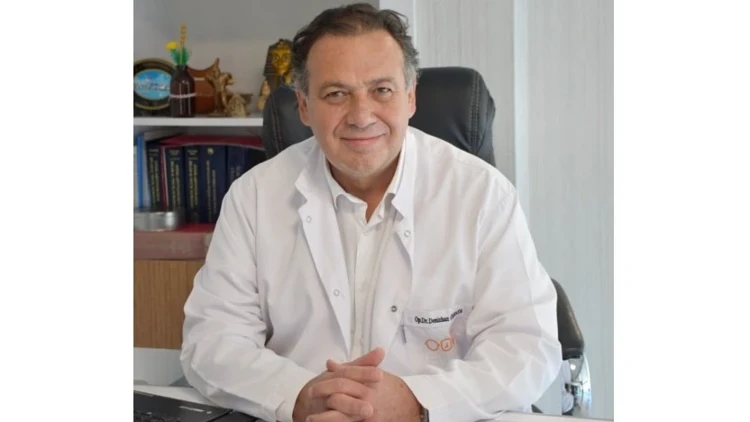
Op. Dr. Denizhan Özkaya, an Ear, Nose and Throat (ENT) Specialist at Private ENTO Ear, Nose and Throat Surgical Medical Center, stated that rhinoplasty is a surgical procedure aimed at harmonizing the appearance of the nose with the overall aesthetics of the face.
“The nose is not merely an aesthetic feature; it also serves a vital function in breathing. Therefore, rhinoplasty should be individually planned, taking both aesthetic and functional outcomes into consideration,” Dr. Özkaya explained.
Dr. Özkaya noted that individuals whose bone and cartilage development is complete are generally suitable candidates for rhinoplasty.
“In certain special cases, surgery may also be performed at an earlier age if bone development has been completed. What matters most is that the surgeon carefully evaluates facial development and the patient's overall health. Skin type also plays an important role in surgical planning,” he said.
According to Dr. Özkaya, one of the most significant mistakes in rhinoplasty is creating an overly small, artificial-looking nose that does not complement the patient's facial proportions.
“Such procedures can alter the natural character of the face and may lead to dissatisfaction, both aesthetically and psychologically. Likewise, it is not appropriate for patients to bring a photograph of a celebrity and request an identical nose, as every face has its own unique anatomy and balance. For this reason, rhinoplasty must be planned individually,” he emphasized.
THE ROLE OF 3D SIMULATION
Dr. Özkaya explained that during the initial consultation, the patient's concerns and expectations are carefully evaluated.
“Thanks to 3D simulation technology, the face can be captured in three dimensions using a specialized scanner. Different nose shapes can then be simulated digitally, allowing patients to visualize potential surgical outcomes in a realistic manner. This improves communication between the patient and surgeon and helps establish clear surgical goals. Consequently, it can contribute to greater patient satisfaction and surgical success. My philosophy is to achieve natural-looking results that preserve breathing function and help patients feel more confident,” he stated.
Dr. Özkaya also noted that rhinoplasty procedures are performed under general anesthesia and typically last between 1.5 and 3 hours.
“Depending on the patient's nasal anatomy, either an open or closed surgical technique may be preferred. During the first week, a splint and medical tapes are applied to the nose. It may take approximately 3 to 6 months for the nose to gradually develop its final shape,” he added.
POSTOPERATIVE RECOVERY
Dr. Özkaya provided recommendations for the recovery period:
“During the first three days following surgery, keeping the head elevated, applying cold compresses, and maintaining nasal moisture with saline solution can support the healing process. Patients should avoid smoking, alcohol, and blood-thinning medications unless otherwise directed by their physician. Strenuous exercise, wearing glasses, and any impact to the nose should also be avoided. Most patients can return to their social activities within 5 to 6 days; however, patience is essential as the final appearance develops gradually.”