Rhinoplasty Can Offer Solutions for Both Aesthetic and Health Concerns
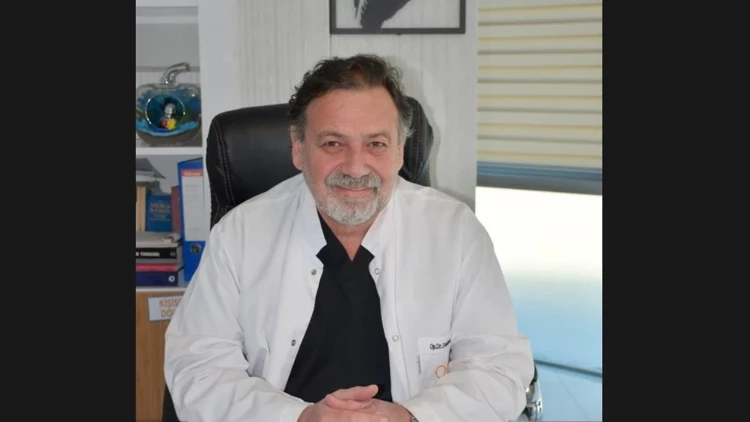
Op. Dr. Denizhan Özkaya stated that rhinoplasty is not only a procedure aimed at improving appearance, but it can also be planned as a surgical intervention to improve breathing functions.
Ear, Nose and Throat Specialist Op. Dr. Denizhan Özkaya from the Private Ento Ear, Nose and Throat Surgical Medical Center said:
“The nose is an important organ for breathing, the sense of smell, and the healthy functioning of the upper respiratory tract. For this reason, when planning rhinoplasty, both aesthetic expectations and the internal nasal structures are evaluated together. The goal is to achieve a natural appearance that harmonizes with the face while also supporting the patient’s ability to breathe comfortably.”
Özkaya also stated that conditions such as nasal curvature (septum deviation), turbinate enlargement, or structural narrowing may negatively affect breathing quality.
“An approach that focuses only on changing the external appearance may cause existing functional problems to persist. Therefore, a detailed examination and evaluation before surgical planning are very important. In suitable patients, aesthetic and functional corrections can be performed during the same operation.”
Proper Planning Is Important
Özkaya noted that people with a history of allergic rhinitis may have more sensitive nasal tissues:
“In patients who suffer from constant nasal congestion, runny nose, and sneezing, not only the aesthetic appearance but also the internal nasal structures should be carefully examined. With proper planning, successful results can also be achieved in this group of patients.”
Özkaya stated that rhinoplasty surgery usually takes about two hours under general anesthesia.
“Mild swelling and bruising may occur in the first days after surgery. The nose takes its final shape depending on the patient’s skin type; this period may be shorter in patients with thin skin and longer in those with thicker skin. Patients coming from other cities or abroad can usually return home within 7–8 days.”
Emphasizing the importance of communication between the patient and the physician for a successful rhinoplasty process, Özkaya said:
“Clearly sharing expectations and evaluating surgical limitations are decisive factors for patient satisfaction. Since each patient’s anatomy and expectations are different, the planning process is personalized. With the right indication and appropriate planning, rhinoplasty is a surgical procedure that can contribute to patients’ quality of life both aesthetically and functionally. Detailed evaluation and expert opinion are the most important steps in this process.”