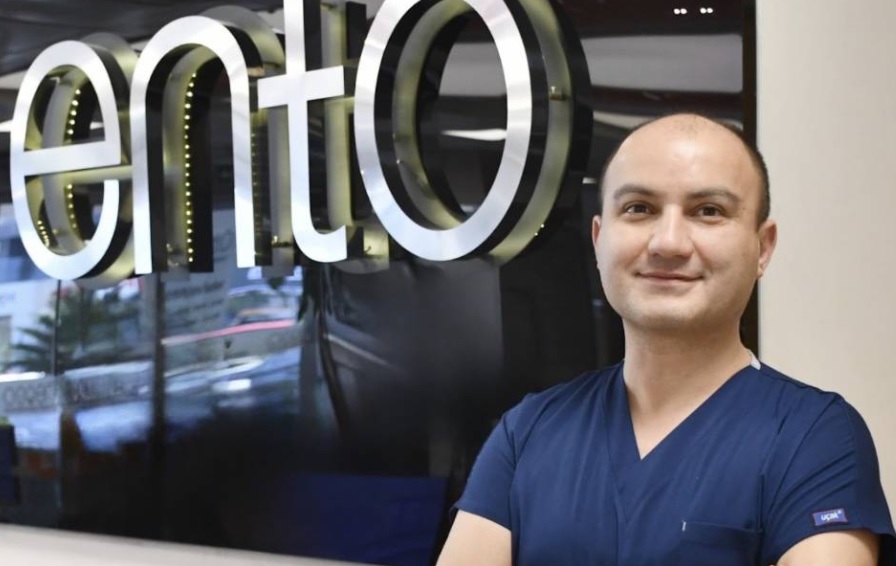
Otolaryngology Specialist Op. Dr. Sinan Uluyol provided information about the surgical procedures and treatments that can be performed together with rhinoplasty.
Working at Private ENTO Surgical Medical Center, Op. Dr. Sinan Uluyol stated: “Along with rhinoplasty, procedures such as Otoplasty (Ear Pinning Surgery), Blepharoplasty (Eyelid Surgery), Septoplasty (Surgery for a Deviated Nasal Septum), Turbinate Reduction with Radiofrequency, Endoscopic Sinus Surgery for Sinusitis, Non-Surgical Facelift, and Almond Eye Surgery can be performed. In addition, rhinoplasty can also be performed together with surgeries involving other parts of the body.”
Uluyol also made the following statements about topics frequently asked about rhinoplasty.
How Should You Choose a Doctor for Rhinoplasty?
For aesthetic nose surgery, your surgeon’s skill, experience, and track record are undoubtedly among the most important factors. Try to understand your surgeon’s style. Social media can be an important tool in this process. If the rhinoplasty specialists you are following create noses that match your aesthetic preferences, you may be on the right track.
Look at long-term results. Before-and-after photographs and videos taken on the operating table may look polished and impressive, but they do not provide much meaningful information. After all, you will want to live with and use your nose for many years. A good rhinoplasty should ideally serve you for a lifetime. Rather than relying on visual content that can easily be altered, such as photographs, video footage can provide a more realistic impression of the results.
Communication is extremely important. Make sure you have enough time to speak comfortably with your surgeon, and be certain that you have clearly explained what you want and that you have fully understood your surgeon. You can show photographs that illustrate your preferences; this can be very helpful.
During this process, make sure you consult at least two experienced surgeons. Seeing different approaches can help you recognize quality and improve your ability to compare your options.
When looking for a rhinoplasty surgeon, research questions such as: What is rhinoplasty? How is it performed? (You can watch simple surgical animations.) What is the recovery process like in the early and late stages, and what are the most common problems encountered during this period?
The more informed you are, the more easily your surgeon will be able to communicate with you during your rhinoplasty consultation.
Techniques Used in Aesthetic Nose Surgery
The specific technique used is not the most important issue. Patients want a comfortable surgical process and successful aesthetic results that remain stable in the long term. Your surgeon will choose the technique that is most likely to provide the best aesthetic and functional results for you. This will become clear during your preoperative consultation.
Marketing claims about rhinoplasty techniques are far less important than the surgeon’s long-term results. The right surgeon is more important than the technique itself.
Which Are the Most Difficult Noses to Operate On?
A revision rhinoplasty or a history of previous surgery involving the nasal bones or cartilage is among the factors that make aesthetic nose surgery most challenging.
In such patients, cartilage may need to be harvested from behind the ear or from the rib. Harvesting cartilage from the rib or ear increases the duration of rhinoplasty surgery. Due to their structural characteristics, these cartilage sources may not be as convenient to use as the cartilage naturally found inside the nose.
Is Rhinoplasty More Difficult for Patients with Thick Skin?
The tip of a thick-skinned nose can become particularly swollen during the first three months after surgery, and the healing process may take longer than one year.
Although this may initially seem frustrating, patients who undergo appropriate surgical techniques with strong nasal-tip support can achieve aesthetically pleasing and natural-looking noses without noticeable imperfections once the healing process is complete.
In short, patience is especially important for patients with thick skin.
On the other hand, thin-skinned noses, which may be considered easier to operate on, can also produce unexpected results because knots from sutures beneath the skin and even the smallest irregularities may become visible.
Is Removing the Cast and Nasal Splints Painful?
After aesthetic nose surgery, we remove the cast and silicone splints approximately 5–7 days later.
Removing nasal splints after rhinoplasty is not painful. The belief that “removing nasal packing is painful” is simply an urban myth.
After the silicone splints and cast are removed, patients can return to their normal daily lives and professional activities.
(BSHA / Science and Health News Agency)
https://www.bsha.com.tr/burun-estetigi-ile-birlikte-hangi-islemler-ve-ameliyatlar-yapilabilir/